
- Home
- Incident Reconstruction
Incident Reconstruction
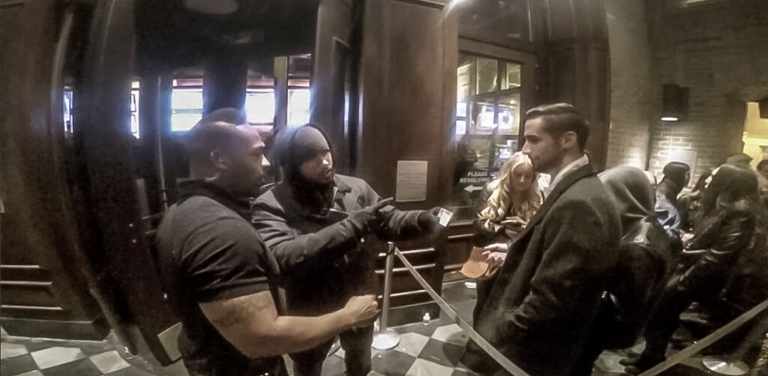
INCIDENT RECONSTRUCTION
Every venue incident leaves digital footprints—camera angles, POS swipes, radio chatter, mobile clips—yet the truth is rarely obvious at first glance. An in‑depth Incident Reconstruction from Bar Security Expert Witness layers these fragments into a minute‑by‑minute storyboard that clarifies sequences, highlights intervention windows, and assigns responsibility. Using synchronized video overlays, acoustical spectrograms, occupancy heat‑maps, and eyewitness interviews, we convert chaotic moments into structured evidence that juries can follow. The resulting chronology helps counsel establish foreseeability, causation, and the precise impact of managerial decisions on patron safety, while offering operators an actionable blueprint to avoid repeat events. Meeting ASTM venue‑security benchmarks, every finding is formatted for ready admission under state evidence rules.
We Unravel the Story
Forensic analysts pair video, logs, and human factors to craft visuals and affidavits attorneys wield confidently during trials, talks and mediations.
- Timestamped CCTV alignment
- POS & entry logs synced
- Witness interviews mapped
- 3‑D scene render delivered
Reconstruction is more than replaying footage; it draws a straight line from environment to outcome. When patrons, staff, and security interact, gaps in policy or perception often widen in seconds. By fusing positional audio with dwell‑time analytics we demonstrate how a misplaced queue rope, an understaffed bar rail, or a delayed ejection allowed tempers to escalate. The clarity of that timeline accelerates settlements and sharpens training priorities.
EXPERTISE THAT REVEALS TRUTH
Our team has reconstructed stabbings, crowd crushes, falls, and property‑damage events across concert halls, rooftop lounges, and craft‑beer taprooms. Each assignment begins with secure preservation of digital evidence—CCTV hard drives, body‑cam files, audio boards, and social media posts. Time‑code reconciliation follows, allowing us to map every participant’s path with sub‑second accuracy. We then apply biomechanics and human‑factors principles to gauge movement speed, reaction latency, and line‑of‑sight obstruction. Charts illustrate the moment risk overtook control, whether due to overservice, poor lighting, or guard misallocation. Reports include 3‑D renders, annotated screenshots, and sworn statements that translate technical findings into clear language. When testifying, we guide jurors through the reconstruction like a paused movie, stopping at critical decision points and underscoring how corrective measures—directional lighting, staggered last call, revised ejection protocols—would have altered the outcome.
Contact Info
Office Location
848 N. Rainbow Blvd. #9037